Source Customized Acrylic Festival Stickers for Events, Brands, Merch
Compare 30 listings for customized acrylic festival stickers from verified suppliers. Buyers can evaluate material options like vinyl and paper, printing methods, and customization services for event branding, merchandise, and packaging applications.
Key considerations
Products List






Comprehensive Sourcing Guide
Strategic Sourcing Guide for Customized Acrylic Festival Stickers
The global market for promotional and decorative adhesive products has expanded significantly, driven by the demand for durable, high-impact branding at large-scale events. While the core keyword "customized acrylic festival stickers" suggests a specific material composition, a rigorous analysis of current supplier inventories reveals a complex landscape where "acrylic" is often used as a descriptor for the visual finish or the protective film layer rather than the substrate itself. Buyers must navigate a market where the primary materials observed are vinyl, coated paper, and PET films, often featuring UV or gloss finishes that mimic the clarity and depth of acrylic. This guide provides a disciplined framework for sourcing these items, focusing on technical verification, material authenticity, and supply chain reliability to ensure that the final product meets the rigorous demands of festival environments.
Material Composition and Technical Specifications
The first critical step in sourcing is verifying the actual material composition. In many commercial listings, the term "acrylic" in the context of stickers often refers to the printing surface finish or a specific type of protective overlay rather than a solid acrylic sheet. Based on observed product data, the most common base materials for high-volume festival stickers are vinyl and coated paper. Vinyl offers superior durability against moisture and abrasion, which is essential for outdoor festival use. Coated paper provides a cost-effective alternative for indoor or short-term applications but requires specific protective treatments to withstand humidity.
A key technical specification to evaluate is the film type. Many suppliers offer transparent PET (Polyethylene Terephthalate) films, which provide a clear, glossy appearance similar to acrylic. The glue type is equally vital; "General Super Stick" adhesives are frequently cited, but buyers must confirm the specific adhesive chemistry to ensure it does not leave residue on festival equipment or clothing. Furthermore, the printing technology plays a significant role in the final aesthetic. Offset printing is standard for high-volume runs, offering consistent color reproduction, while digital printing allows for shorter lead times and variable data. The observed production models, such as T293, T294, and T412, indicate that manufacturers often categorize products by specific die-cut shapes and sizes, ranging from custom shapes to standard rectangles and circles.
Design Flexibility and Customization Capabilities
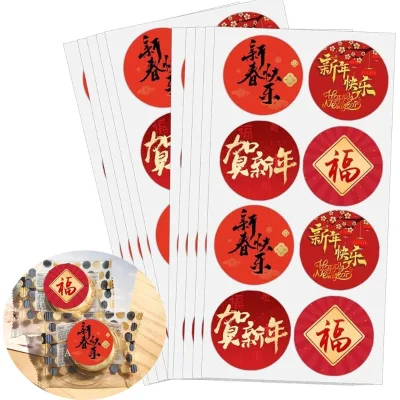
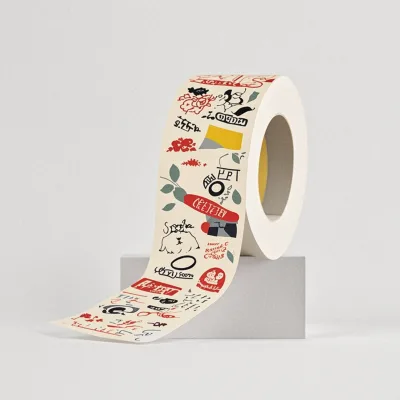
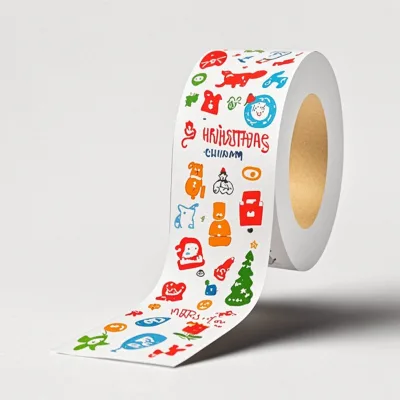
The primary value proposition of festival stickers lies in their customization potential. Suppliers generally accept custom orders with a wide range of design parameters. The "Custom Size Accepted" specification is a standard feature, allowing buyers to tailor dimensions to specific branding needs, from small lapel pins to large vehicle decals. The shape of the sticker is rarely limited to standard geometries; die-cut capabilities enable complex outlines, including cartoon patterns and custom logos.
Artwork requirements are a critical component of the customization process. To ensure high-quality output, buyers should prepare files in PDF, AI, EPS, or high-resolution JPG formats. The color reproduction capabilities are extensive, supporting CMYK, PMS (Pantone Matching System), and spot colors. This flexibility ensures brand consistency across various festival merchandise. Additionally, surface finishing options such as UV varnishing, matte lamination, and gloss varnishing are available to enhance the visual depth and tactile feel of the sticker. Some suppliers also offer advanced printing techniques like embossing, debossing, gold stamping, and laser engraving, which can add a premium, "acrylic-like" texture to the final product.
Compliance, Certification, and Safety Standards
When sourcing products for public events, compliance with safety and environmental standards is paramount. While specific certification data for individual suppliers varies, buyers should verify that the materials used are non-toxic and safe for skin contact, especially if the stickers are intended for direct application on attendees. The observed product data mentions origins in China, specifically Fujian, a major hub for packaging and printing. In this region, manufacturers often adhere to international standards, though specific certifications like ISO 9001:2000 or ISO 14001:2004 should be confirmed on a case-by-case basis rather than assumed.
Buyers must explicitly request proof of compliance regarding chemical content, particularly regarding phthalates and heavy metals, which are common concerns in vinyl and adhesive products. The "Waterproof" attribute is frequently listed, but this should be verified through independent testing or supplier-provided test reports to ensure the adhesive and substrate can withstand rain, sweat, and humidity typical of festival conditions. Furthermore, the packaging standard, often described as "100pcs/bag, 100 bags one box," or "Carton with Waterproof Film," must be robust enough to prevent damage during transit and storage.
Cost Drivers and Pricing Structures
Understanding the cost drivers for customized stickers is essential for budget management. The price range observed in the market is broad, typically spanning from $0 to $5 per unit, heavily influenced by the order quantity and material complexity. The Minimum Order Quantity (MOQ) is a significant factor, with observed ranges starting as low as 1 piece for samples and extending up to 50,000 pieces for bulk production. A standard MOQ of 100 pieces is common for custom runs, but buyers should be prepared for higher thresholds if they require specialized materials or complex die-cutting.
Production time is another variable that impacts cost and logistics. Lead times generally range from 3 to 7 working days after artwork and payment confirmation. Faster turnaround times, such as the 3-5 day window, may incur premium charges. The choice of printing method also affects the unit cost; offset printing becomes more economical at higher volumes, while digital printing remains cost-effective for smaller batches. Buyers should also consider the cost of design services, which are often offered for free, but complex vector adjustments or 3D mockups may carry additional fees.
Supplier Evaluation and Verification
Selecting the right supplier requires a thorough evaluation of their capabilities and reliability. Buyers should prioritize suppliers who demonstrate transparency in their production models and material specifications. The presence of multiple product models (e.g., HBC01, tz007, tz008) suggests a diverse inventory, but it is crucial to verify that the specific model matches the intended application. For instance, "Thermal Stickers" (HBC01) serve a different function than "Adhesive Stickers" (T293), and confusing the two could lead to procurement failures.
Supplier location is a critical factor in logistics and communication. While many suppliers are based in China, specific regions like Fujian offer distinct advantages in terms of supply chain maturity and shipping infrastructure. Buyers should verify the supplier's ability to handle international shipping via air or sea, as indicated by standard packing methods. Additionally, the availability of free non-customized samples is a valuable tool for quality assessment. Before committing to a large order, buyers should request samples to test the adhesive strength, color accuracy, and durability of the material.
Quality Control and Long-Term Procurement
Establishing a robust quality control (QC) protocol is essential for maintaining brand integrity. The QC process should begin with the verification of the artwork format and color proofs. Once production begins, random sampling should be conducted to check for defects such as misalignment, color bleeding, or adhesive failure. The "Free Design Service" offered by many suppliers is a significant advantage, but buyers must ensure that the final design files are compatible with the chosen printing technology to avoid production errors.
For long-term procurement, buyers should consider the scalability of the supplier. The ability to handle orders ranging from 100 to 50,000 pieces indicates flexibility, but consistency in quality across different batches is equally important. Establishing a relationship with a supplier who can provide consistent lead times and reliable communication is key to managing festival schedules. Buyers should also plan for re-ordering capabilities, ensuring that the supplier can maintain the same material specifications and color profiles for future events.
Application Scenarios and Market Fit
The versatility of customized stickers makes them suitable for a wide array of applications beyond simple decoration. The observed usage categories include bottled beverages, shipping labels, food packaging, medicine, and price tags. For festivals, these products are ideal for wristbands, event passes, promotional giveaways, and equipment labeling. The "Decorative Stickers" style and "Cartoon" patterns are particularly popular for engaging younger demographics at music and cultural festivals.
The "Industrial Use" classification as "Packaging Label" suggests that these products can also serve functional roles in logistics and inventory management within the festival ecosystem. The ability to customize shapes and sizes allows for unique branding opportunities, such as die-cut logos that match the festival's theme. Whether used as a waterproof seal on equipment or a decorative element on a beverage bottle, the right choice of material and adhesive ensures the sticker performs its intended function without failure.
Conclusion
Sourcing customized acrylic festival stickers requires a nuanced understanding of the market's material realities. While the term "acrylic" evokes a specific aesthetic, the actual products often rely on vinyl, PET films, and coated papers with specialized finishes to achieve the desired look and durability. By carefully evaluating technical specifications, verifying compliance standards, and selecting suppliers with proven capabilities in customization and quality control, buyers can secure high-quality products that meet the demands of large-scale events. The key to success lies in balancing cost, lead time, and material performance to ensure that the final product not only looks impressive but also withstands the rigors of the festival environment.
FAQs
Can I get custom sizes for these stickers?
Yes, custom sizes are accepted for these stickers. The product specifications confirm that dimensions can be tailored to your specific needs, allowing for unique shapes like die-cut options or standard rectangles.
What materials are used for these stickers?
The stickers are primarily made from vinyl, coated paper, or transparent PET film. Vinyl offers waterproof durability, while coated paper provides a cost-effective base for various printing applications.
How long does production take after payment?
Production typically takes 3 to 5 working days normally, or 5 to 7 work days after artwork and payment confirmation. This timeline depends on the specific customization and printing method selected.
What is the minimum order quantity required?
The standard minimum order quantity is 100 pieces. However, observed ranges in the market extend from 1 piece for samples up to 50,000 pieces for large bulk orders.
Are these stickers waterproof for outdoor use?
Yes, the stickers are described as waterproof, making them suitable for outdoor environments. This feature ensures they withstand moisture and humidity typical of festival conditions without peeling.
Which printing types are available for these labels?
Available printing types include offset printing and digital printing. Additional finishing options like UV varnishing, matte lamination, and gold stamping can be applied to enhance the visual quality.
Can I get a free design service for my logo?
Yes, free design service is available for custom sticker logos. Buyers can submit artwork in PDF, AI, EPS, or high-resolution JPG formats to ensure high-quality output.
Where are these stickers manufactured and shipped from?
These stickers originate from China, with specific manufacturing hubs in Fujian. They are shipped via air or sea, often packed in cartons with waterproof film or in rolls.